Surfaces
Engineered quartz, explained plainly.
What it is, where it belongs, and which thickness to put where — the questions buyers ask us in the first e-mail, answered before you have to ask them.
- Quartz content
- 93%
- Thicknesses
- 15 / 20 / 30 mm
- Slab sizes
- 4 standard sizes
- Minimum order
- 100 m² per colour
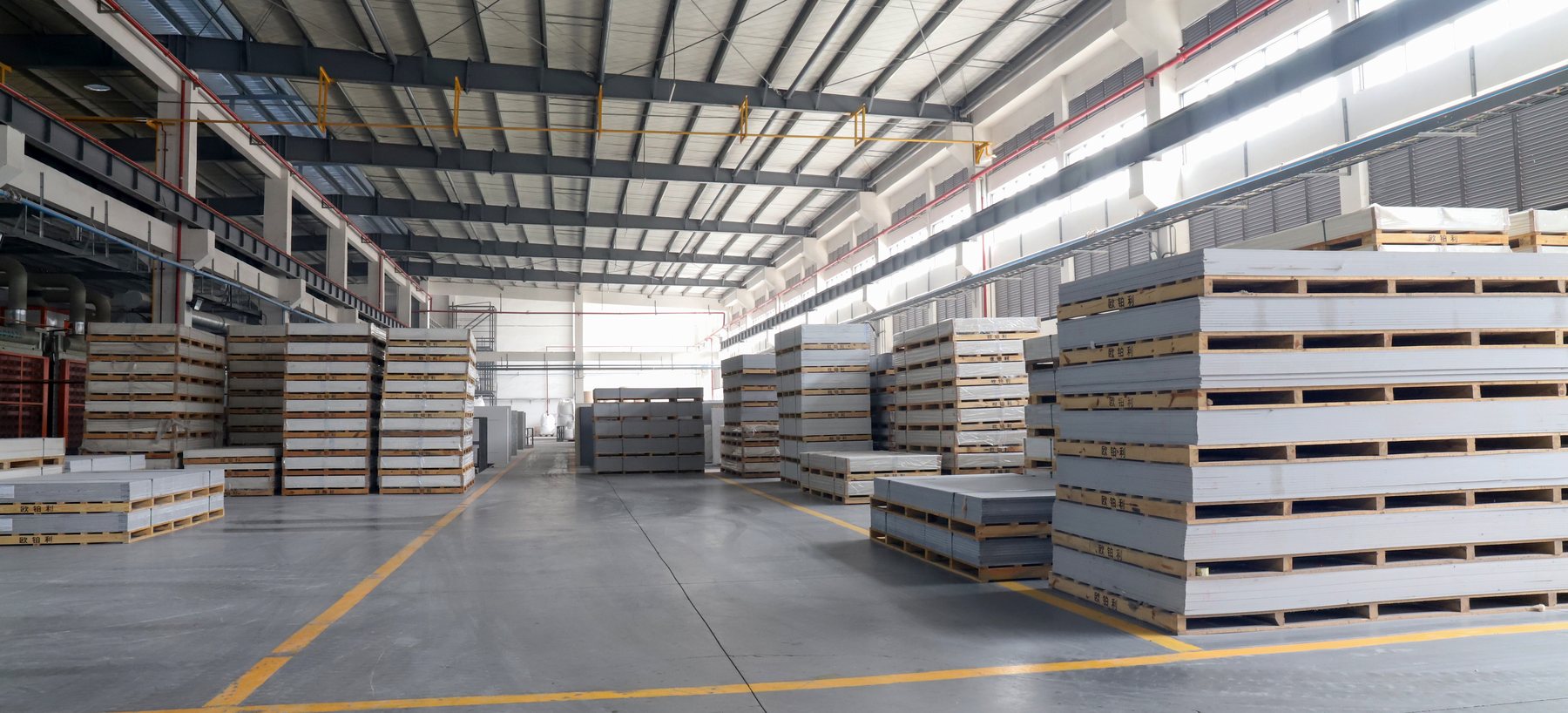
What engineered quartz actually is
Ground quartz — ninety-three percent of the slab — bound with a small amount of resin and pigment, pressed under vacuum and heat, then polished. The result is a surface harder than natural granite, non-porous, and consistent from slab to slab.
That consistency is the point. Natural marble varies between blocks, so a fifty-unit apartment job can arrive in three different shades and two different vein patterns. An engineered slab from a single batch will not.
The trade-off is honest: quartz is not fully heat-proof and is not the right choice for unshaded exterior use. We say so on the FAQ page rather than in the small print.

Applications
Where it goes
Four places account for nearly every slab we ship. The thickness beside each one is what we quote by default.
Kitchen worktops
Non-porous, so no sealing and no oil staining. Standard edge profiles look right at 20 mm; go to 30 mm for a heavier edge detail.
20–30 mmVanity tops
The most common place for a coloured statement slab — small area, big impact, low risk if you have never specified quartz before.
15–20 mmWall cladding
Reception walls, lift lobbies, bathroom features. Mechanically fixed, so the weight per square metre is the real constraint.
15 mmCommercial floors
Laid as large-format tile. Specify a mid or sand tone — white floors show every footprint.
20 mmThickness
Which thickness do I need?
Three options leave the plant. If you are unsure, 20 mm is the safe answer for almost everything.
Cladding and splashbacks
Where weight matters: wall panels, splashbacks, vanity tops in retrofit work. Lightest to handle and the cheapest freight per square metre.
Worktops and joinery
The default for kitchen worktops and general joinery. Standard edge profiles and 40 mm build-ups both work at this thickness.
Bars and heavy duty
Bar tops, heavy commercial worktops, and anywhere the slab edge is exposed and has to look substantial.
The container runs out of weight before it runs out of space.
A 20' GP leaving our plant carries about 25.8 tonnes net whatever the thickness inside. A heavier slab therefore means fewer square metres — which is why the same container holds roughly twice the area in 15 mm as it does in 30 mm. If your job is area-driven rather than edge-driven, the thinner slab is cheaper to ship.
Figures below are for 3200 × 1600 mm slabs. Other sizes carry a similar tonnage.
| Thickness | Slabs | Pallets | Coverage |
|---|---|---|---|
| 15 mm | 140 | 7 | ~717 m² |
| 20 mm | 105 | 7 | ~538 m² |
| 30 mm | 70 | 7 | ~358 m² |
Net weight approximately 25.8 t per container in each case.
The collection
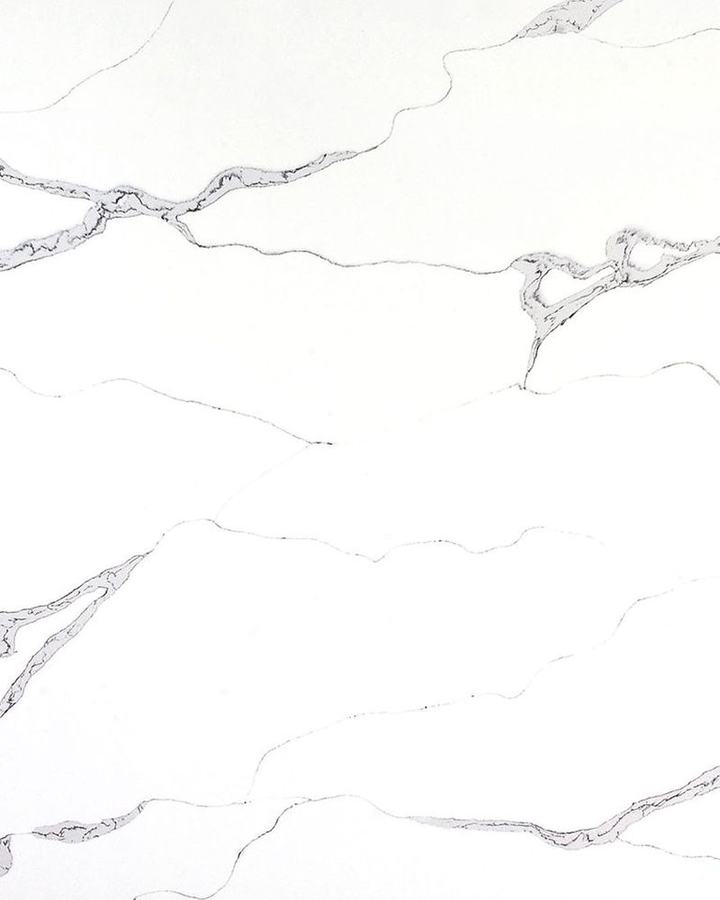
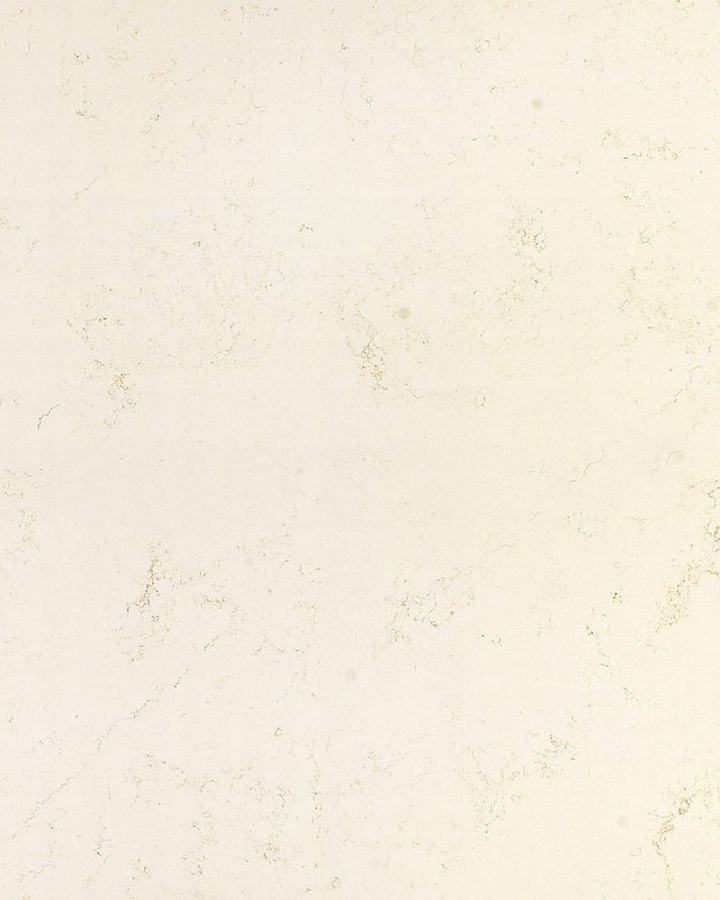
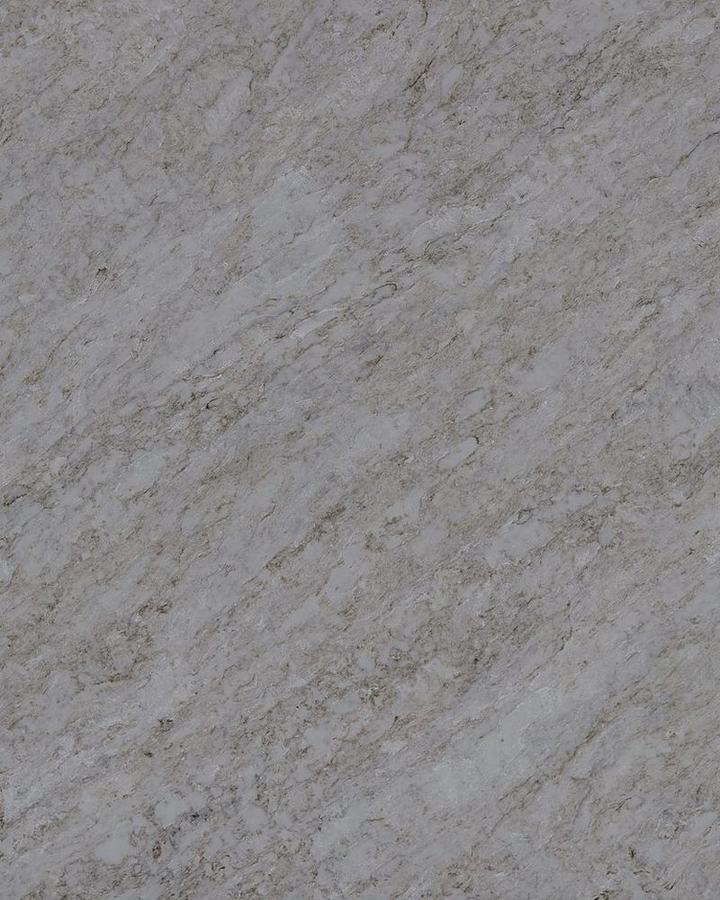
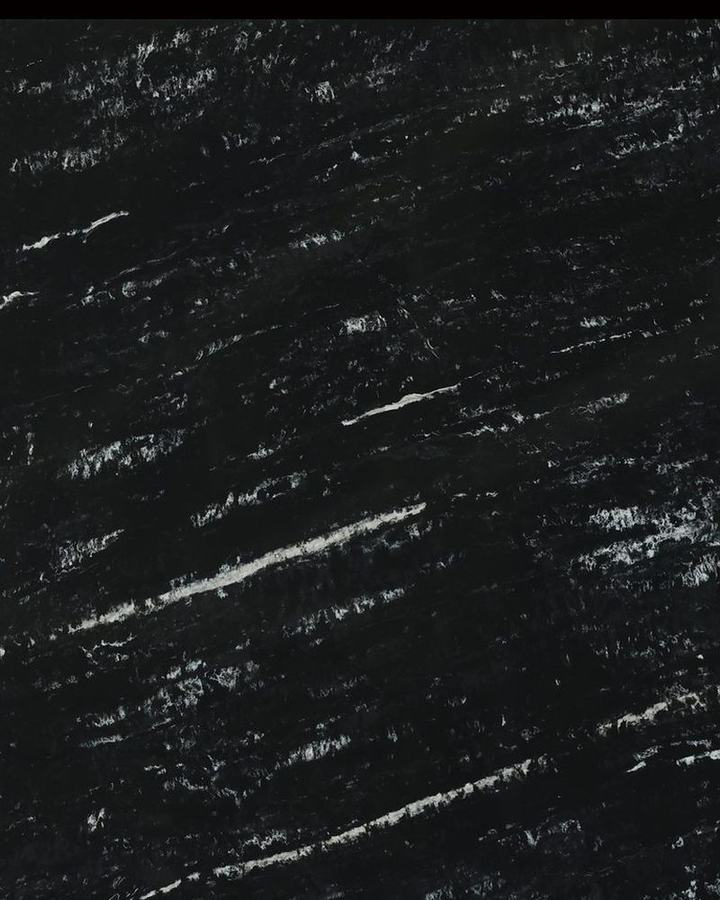
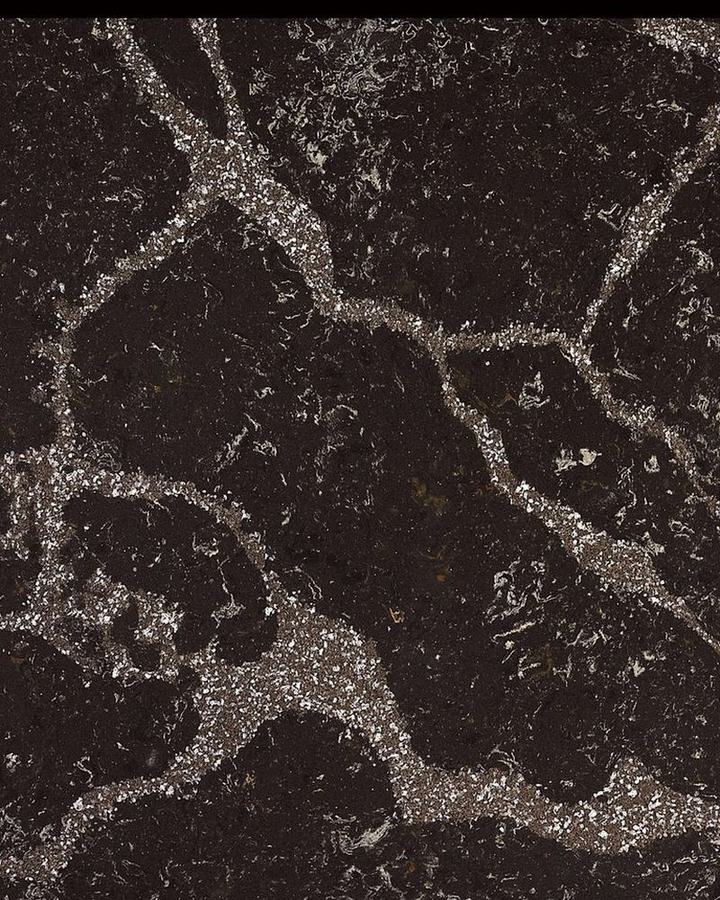
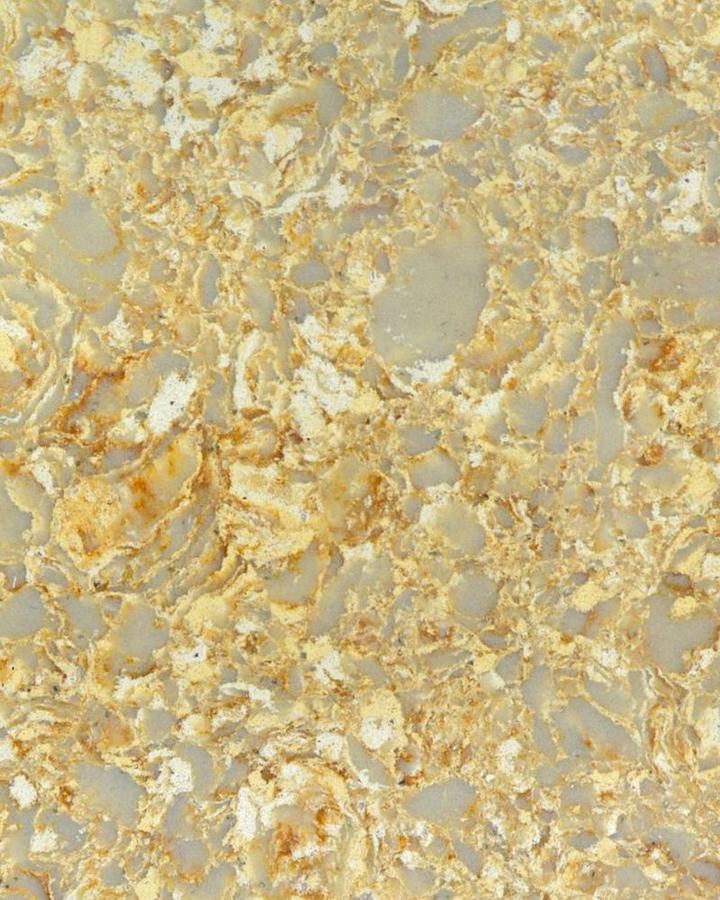
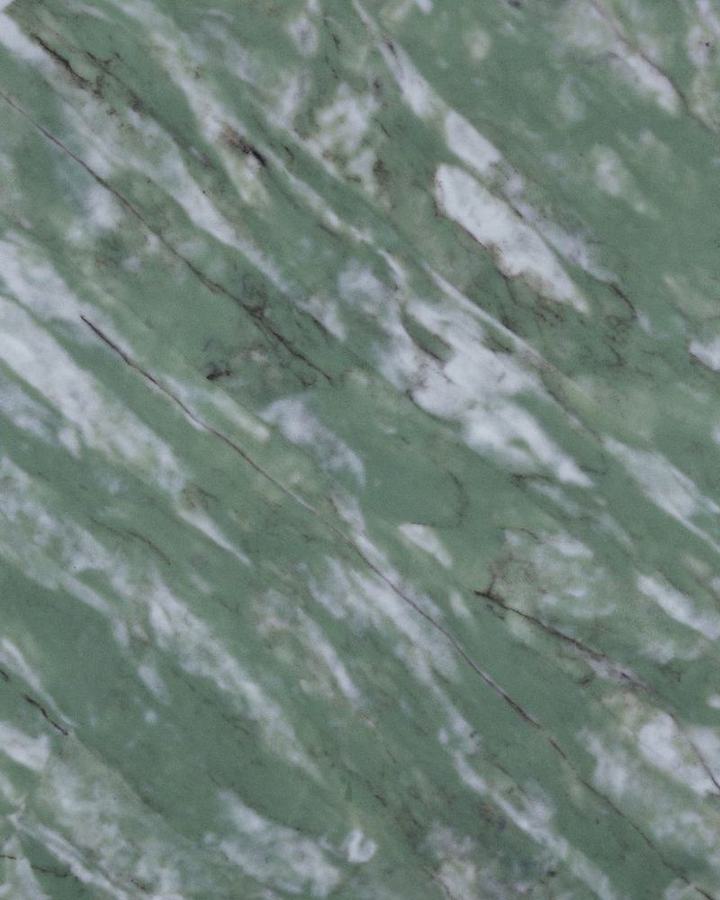
Seven colour families
Every colour is available in all three thicknesses and all four standard sizes. Browse by colour here, or by the marble style a client asked for — Calacatta, Statuario, Carrara, Travertine — on the colours page.
Enquiry
Send your colour list and quantity.
We will come back with price, packing plan and lead time. If you are specifying for a project, send the drawings or a schedule of areas and we will build the container plan around the slab sizes that suit it.
- 01Price per m² against the quantity you send
- 02Packing plan and how the container loads
- 03Lead time and the earliest loading date
Minimum 100 m² per colour · 20' container loads in 7 pallets · FOB and CIF quotations
Request a quotation
Tell us the colour, quantity and destination port. We reply with price and lead time.